Modern construction relies on materials combining strength, durability, and versatility. Reinforcement bars, commonly known as rebar, transform ordinary concrete into reinforced concrete capable of withstanding tremendous forces while maintaining integrity over decades.
Understanding why reinforcement bars remain indispensable helps engineers, contractors, and construction professionals make informed decisions about structural design.
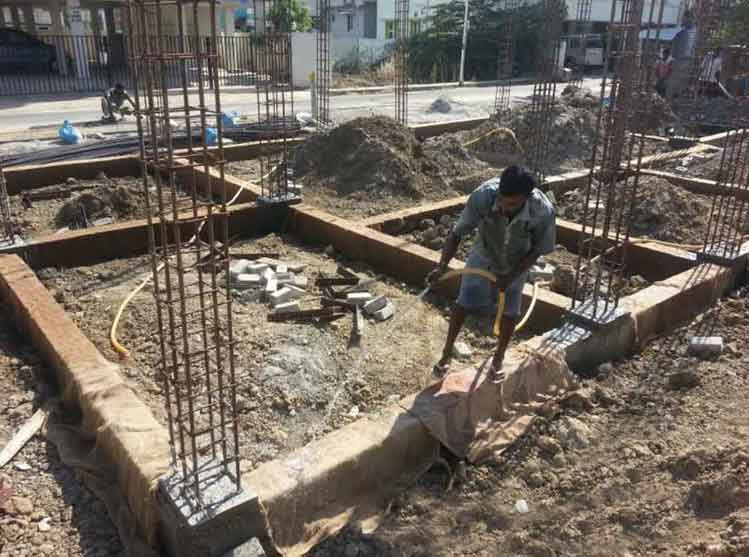
Understanding Reinforcement Bars and Their Purpose
Reinforcement bars consist of steel formed into ribbed patterns that create mechanical bonds with surrounding concrete. These ribs prevent slippage, ensuring composite action between materials.
Concrete possesses exceptional compressive strength but poor tensile strength, cracking easily when pulled or bent. Steel exhibits high tensile strength, performing excellently under tension while maintaining good compressive properties.
Combining these materials creates reinforced concrete where each material compensates for the other’s weaknesses. Concrete protects steel from corrosion and fire while providing compressive resistance. Steel handles tensile forces, preventing concrete from cracking.
This partnership proves essential because structures experience complex loading patterns. Beams bend under loads, creating compression on top surfaces and tension on bottom. Without steel reinforcement, structural elements would fail catastrophically.
Types of Reinforcement Bars
Construction projects employ various reinforcement bar types designed for specific applications. Understanding reinforced cement concrete helps clarify how different types contribute to structural performance.
Mild steel bars offer moderate strength (250 N/mm²) with excellent ductility. Contractors appreciate their workability since bars bend cold on-site using standard equipment.
High-strength deformed bars deliver nearly double the strength, approaching 500 N/mm². Deformed surfaces feature ribs that dramatically improve concrete bond. Modern construction increasingly favors these bars for superior performance.
Cold-worked reinforcement reaches 415-500 N/mm² tensile strength through mechanical processing. Corrosion-resistant options include epoxy-coated, stainless steel, and galvanized bars, proving economical for long-term durability.
Critical Functions of Reinforcement Bars
Providing Tensile Strength
Steel reinforcement positioned in tensile zones carries forces effectively. In beams, bottom reinforcement resists positive bending while top reinforcement handles negative moments at supports. Slabs require reinforcement networks in both directions. Each element demands carefully designed patterns matching load expectations.
Controlling Crack Width
Reinforcement controls crack width and spacing. Numerous fine cracks distribute stress better than few wide cracks. Proper bar spacing limits maximum widths, preventing water infiltration and protecting steel from corrosion.
Resisting Shear Forces
Stirrups and ties resist diagonal tension in concrete members. Shear reinforcement intercepts potential crack paths, maintaining capacity and preventing catastrophic collapse.
Enhancing Ductility
Properly reinforced concrete exhibits ductile behavior, bending visibly before failure. This proves crucial during earthquakes or unexpected overloads. Adequate anchorage, appropriate spacing, and proper lap lengths ensure reinforcement develops full strength.
Strategic Placement in Structural Elements
Effective reinforcement requires precise positioning. Frame structure building techniques demonstrate how placement varies across members.
Beams need reinforcement near bottom faces for tension under gravity loads. Top reinforcement handles negative moments at supports. Stirrups resist shear forces at regular intervals.
Slabs require reinforcement in both directions. Bottom reinforcement handles positive moments while negative reinforcement concentrates over supports.
Columns need longitudinal reinforcement for reserve capacity and bending resistance. Lateral ties confine concrete, preventing buckling and enhancing ductility.
Foundations experience bending from soil pressure. Bottom reinforcement resists positive moments while top reinforcement handles concentrated loads.
Quality Control and Material Standards
Reinforcement quality directly affects structural safety. Bars receive grade designations indicating yield strength: 250, 415, 500, or 600 MPa. Higher grades allow less reinforcement area for equivalent strength.
Bar surfaces must be free from loose rust, scale, oil, or grease that could impair bond. To support this, reo bars supplied by Sydney Reo maintain strict quality control, ensuring consistent product specifications.
Installation Best Practices
Adequate concrete cover protects reinforcement from environmental exposure. Cover depends on exposure conditions, member type, and aggregate size. Chairs and spacers maintain consistent positioning.
Bars must be spaced adequately for concrete and aggregate flow. Specified patterns must be followed precisely since shifting bars changes structural behavior.
Lap splices overlap bars sufficiently to transfer forces. Mechanical splices offer alternatives where laps prove impractical. Proper anchorage through hooks, bends, and embedment ensures reinforcement develops required forces.
Structural Safety Considerations
Reinforcement provides load path continuity, connecting beams to columns, slabs to beams, and walls to foundations. Properly detailed reinforced concrete fails gradually, with steel yielding before ultimate failure. This visible warning allows evacuation and prevents casualties.
Concrete provides natural fire protection to embedded reinforcement. Adequate cover ensures reinforcement remains below critical temperatures during fire exposure.
Economic and Practical Advantages
Reinforced concrete uses materials efficiently. Concrete handles compression economically while small steel quantities provide tensile capacity, minimizing overall costs.
Standardized products enable rapid construction. Mesh cages and prefabrication accelerate installation compared to individual bar placement. Workers understand installation requirements, reducing delays.
Reinforcement bars suit virtually any concrete structure. Custom bending accommodates unique geometries while various grades and sizes address diverse strength requirements.
Conclusion
Reinforcement bars remain fundamental to modern construction, enabling structures serving society reliably for generations. Their ability to provide tensile strength, control cracking, resist shear forces, and enhance ductility makes them irreplaceable.
Understanding reinforcement properties, placement, quality control, and installation ensures structures perform safely and economically. Construction professionals who appreciate these fundamentals make better design decisions, specify appropriate materials, and deliver superior projects.