Sourcing heavy equipment for civil construction projects is one of the most significant budget decisions a project manager, site operator, or construction business owner will face. New machinery carries a premium price that can place pressure on project budgets and capital expenditure plans.
Auctions offer a practical alternative, giving civil contractors access to quality plant and equipment at competitive prices. Understanding how to navigate the auction process effectively can make a measurable difference to your project’s profitability while helping maintain fleet capacity.
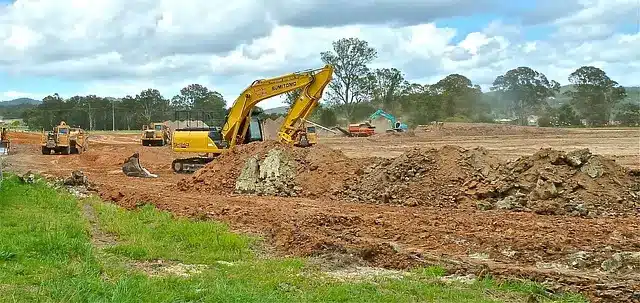
How to Find the Right Auction Events
Not every auction suits every civil project. Focus on events that offer the equipment your project requires. In Australia, civil and earthmoving auctions are common, often following surplus asset sales, company closures, fleet upgrades, or the completion of major infrastructure projects.
Slattery Auctions is a well-known name in this field. They often hold unreserved auctions for civil and earthmoving equipment in Queensland, New South Wales, and other states. Their auctions feature dozers, excavators, skid steers, track loaders, and graders, which are among the most sought-after machines for civil construction projects.
To find upcoming auctions, register with trusted auction platforms and set alerts for the equipment you need. Most sites allow you to filter listings by equipment type, location, and auction date. Early access to auction information provides more time to inspect machinery, compare options, and prepare a bidding strategy.
Why Auctions Make Sense for Civil Contractors
Civil projects rely heavily on earthmoving machinery, graders, excavators, dozers, trailers, and other specialised equipment. Purchasing new equipment can significantly increase project costs. Auctions provide an opportunity to acquire quality machinery at lower prices, helping contractors expand or replace fleet assets while maintaining tighter budget control.
Auctions also offer access to a wide variety of equipment. One event can feature dozens of machines from different manufacturers, model years, and operating-hour ranges. This allows contractors to compare equipment that suits specific project requirements, fleet strategies, and budget constraints in a single location.
Auctions are transparent and competitive. Each listing typically includes specifications, condition information, and available service records, allowing buyers to assess value before bidding. Open bidding processes also ensure all participants have access to the same information and opportunity to compete fairly.
Inspecting Equipment Before You Bid
Winning a bid is straightforward, but securing the right equipment at the right price requires preparation. The most effective way to assess a machine’s condition is through an in-person inspection. Most auction houses provide designated inspection periods before the auction begins.
When inspecting equipment, pay close attention to undercarriages, as these components are often among the most expensive to repair or replace. Review service records where available and examine wear on cutting edges, bucket teeth, tracks, tyres, and hydraulic systems. Look for oil leaks, structural damage, excessive corrosion, or signs of abnormal wear.
If you cannot inspect the equipment yourself, consider engaging an independent machinery assessor. Many Australian companies provide pre-purchase equipment inspections, and the cost is often minor compared to the financial risk of acquiring unsuitable or poorly maintained equipment. These assessments can provide an independent opinion and help support informed purchasing decisions.
Research Market Value Before Auction Day
Many buyers attend auctions without a clear understanding of current market values. While auctions can present excellent buying opportunities, not every asset sells below market value. Understanding comparable pricing helps identify genuine value and avoid overpaying.
Research dealer listings, recent auction results, and online marketplaces to establish realistic market benchmarks. Factors such as age, operating hours, maintenance history, and overall condition can significantly influence value. Two machines of the same model may command very different prices depending on how they have been maintained and operated.
Create a shortlist of target equipment and establish a realistic price range before auction day. Base your bidding decisions on market data rather than emotion. This disciplined approach helps control acquisition costs and improves the likelihood of securing strong value.
Understanding Auction Terms and Bidding Strategy
Before bidding, review the auction terms and conditions carefully. Most auctions apply a buyer’s premium to the final sale price, and this fee can vary between auction providers. Include all associated costs when calculating your maximum bid.
Unreserved auctions are particularly attractive for contractors seeking opportunities to acquire equipment below typical dealer pricing. In these sales, the highest bidder wins regardless of the final price because there is no reserve set by the seller. This can create opportunities to secure excellent value, particularly when competition is limited.
Establish a clear budget for each item before bidding begins. Auctions can become highly competitive, making it easy to exceed planned spending limits. Defining your maximum bid in advance helps reduce costly decision-making errors. Online bidding platforms also provide access to auctions nationwide, expanding the range of equipment available to buyers.
Logistics and Compliance After the Sale
Winning an auction is only one stage of the purchasing process. Contractors must also organise transport, confirm compliance requirements, and complete any servicing required before equipment enters operation. Transport costs can vary significantly depending on machine size, weight, and distance, so they should always be included in acquisition budgets.
In Australia, certain machinery must comply with state-specific requirements before being used on public or commercial projects. Review applicable regulations, including SafeWork Australia plant and equipment guidelines, to ensure compliance before commissioning equipment purchased at auction.
Scheduling a post-purchase service is also advisable. Even well-maintained machinery can benefit from a comprehensive inspection before commencing intensive project work. This helps minimise the risk of unexpected downtime and costly disruptions during critical construction phases.
Building a Long-Term Auction Sourcing Strategy
Experienced civil contractors often view auctions as an ongoing procurement channel rather than a one-off solution. Attending auctions regularly, building relationships with auction providers, and monitoring market trends can improve purchasing outcomes over time.
Regularly reviewing auction results also helps contractors understand the prices that specific equipment types achieve in the current market. This market insight supports more effective bidding strategies, informed fleet planning, and better long-term investment decisions.
For construction businesses looking to manage costs while maintaining operational capability, auctions can become a valuable component of a broader equipment acquisition strategy. When approached with proper research and planning, they can provide reliable access to quality machinery while supporting project profitability and fleet growth.