What happens beneath a building can matter as much as what people see above it today. Proper land preparation for construction creates a firm base that helps foundations carry weight and stay level over time. Without careful groundwork, soil may shift, water may collect, and small problems can grow into costly repairs.
Preparation includes checking the site, clearing material, shaping the ground, improving weak soil, and managing drainage before building starts. This work can save time, protect materials, and support safety. In this guide, you will learn how each step prepares your site for a stronger, longer-lasting building.
Why Land Preparation for Construction Matters
A building needs solid, dependable ground beneath its foundation. If soil is loose, wet, uneven, or filled with weak material, the foundation may not settle evenly. Proper site preparation helps create a stable surface that can support the structure.
Good groundwork helps control risks before they affect the building directly. Workers can find soft spots, standing water, debris, and other site issues while there is still time to fix them. Finding these problems early can reduce delays and prevent costly changes later in the project.
Start With a Careful Site Check
The first step is to understand the land fully before moving soil. A site check can look at slopes, soil type, drainage paths, trees, old structures, buried items, and wet areas. These details help the team choose methods for clearing, grading, digging, and soil improvement.
Soil testing can provide more useful information about how the ground may act under a building. Tests may show whether the soil is strong enough, too wet, too loose, or likely to shift. The results can guide excavation, compaction, fill, and foundation design decisions.
Clear The Site Before Building
Construction areas must be cleared of items that could block the work. Brush, roots, rubbish, loose rocks, old concrete, and unwanted structures may need to be removed before grading begins. Removing these materials creates a cleaner area and makes the ground easier to inspect.
Clearing must be done with care because some material can be reused or handled properly. Large amounts of soil and debris also need safe removal from the work area. Using reliable equipment, including Dump Trailers, can help move loose material away from the site while keeping the work area organized.
Grade The Ground For A Stable Base
Grading shapes the land to create the correct levels and slopes for the building. A level building area helps the foundation sit properly, while planned slopes can move rainwater away from key parts of the site. Good grading also reduces low spots where water can collect and weaken the soil.
The grading plan should match the building design and conditions. Workers may need to cut higher areas, add approved fill to low areas, and shape paths for water to flow safely. Each layer of added soil should be placed and compacted so the ground does not settle later.
Improve Weak Or Unstable Soil
Some sites have soil that cannot safely support the planned building without extra work. Weak soil may be improved through compaction, added fill, drainage work, or other methods chosen by qualified professionals. The approach depends on soil conditions, building loads, weather, and project needs.
Compaction is important when soil has been moved, or new fill has been added. Machines press soil into a denser state, reducing air gaps and unwanted movement. Proper compaction helps create a more even base and lowers the chance of settlement beneath the foundation.
Plan Drainage Before Construction Starts
Water is one of the main concerns during careful land preparation. Too much water can soften soil, cause erosion, delay work, and affect the support beneath a foundation. A good drainage plan helps direct water away from the building area and toward safe discharge points.
Drainage should work with the site’s slope and building layout. Grading, pipes, channels, and other controls may be used when needed. Planning these features early is easier than correcting water problems after structures are in place.
Prepare The Foundation Area With Care
Once the main groundwork is complete, the foundation area needs a check. Workers should confirm levels, dimensions, soil condition, and compaction before foundation work begins. This step helps ensure that the foundation is placed on ground that meets the project plan.
Careful preparation supports accurate construction above the foundation. If the base is uneven or poorly compacted, walls, floors, and other parts may be affected as the structure settles. A well-prepared base gives the rest of the project a more reliable starting point.
Use The Right Equipment And Work Methods
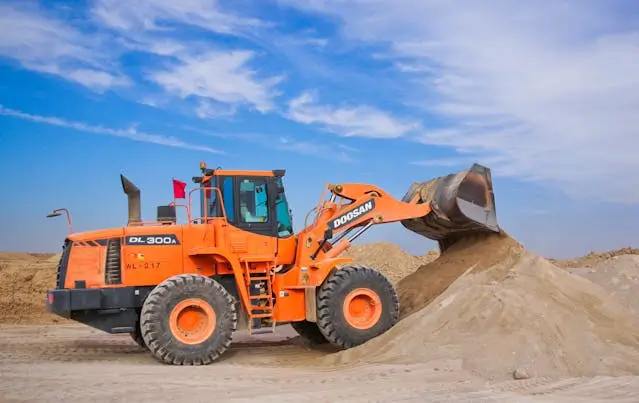
Site preparation requires machines that can move, cut, spread, compact, and remove material. The equipment should match the site size, soil condition, access limits, and amount of work needed. The right machine can improve speed and help workers handle soil and debris safely.
Equipment should be used by trained people and kept in good working order. Poorly maintained machines can cause delays, uneven work, or safety risks on a busy site. Good planning helps the team schedule equipment and avoid movement that can damage prepared areas.
Check The Site Before Moving Forward
A final site check can confirm that the ground is ready for the next construction stage. The team can review grades, drainage, soil condition, compaction, access routes, and other required work before foundation activities begin. Keeping clear records of completed work can also help the project team track quality and address concerns.
This review matters because land preparation affects later work. A missed problem can lead to rework, costs, or delays once construction is underway. Confirming the site is ready can protect the schedule and quality of the finished building.
Build On Ground You Can Trust
Proper land preparation for construction gives a building a stronger start by creating stable ground, managing water, and reducing soil movement. It also supports work by reducing surprises, protecting resources, and keeping building steps on track. Each step, from site checks and clearing to grading, compaction, drainage, and final inspection, helps prevent problems that may become expensive later.
When the ground is prepared with care, the foundation has a better base and the entire project can move forward with greater confidence. Good preparation can also reduce repair needs and help the finished building perform as planned for many years.
Did this guide help you? Browse the rest of this section for more advice on a variety of topics.