Civil engineering today looks very different from a decade ago. Projects are bigger, timelines are tighter, and expectations around durability and safety are higher than ever. In the middle of all this change, one unassuming material keeps proving its value: the wire mesh. You see it in bridges, buildings, highways, and industrial facilities, quietly holding things together while adapting to modern demands.
This essential construction material may be famous for its supporting role. When used thoughtfully, however, it becomes a design tool, a reinforcement solution, and a long-term performance enhancer. Here’s how it helps builders make smarter engineering choices that stand up to real-world conditions.
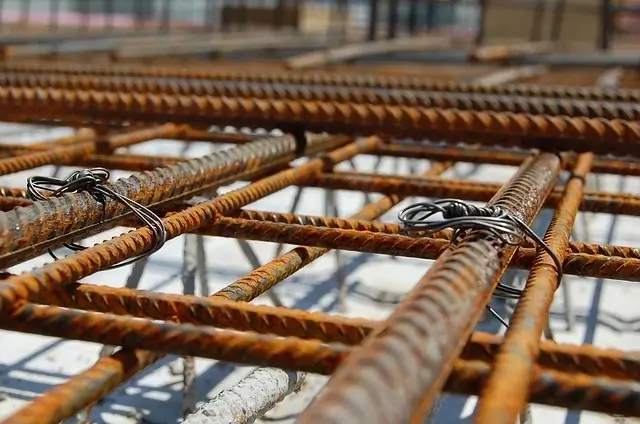
Addressing Durability Challenges in Modern Projects
Long-term durability is a common challenge in civil engineering. Exposure to moisture, chemicals, and temperature fluctuations can weaken reinforcements over time, especially in infrastructure like bridges, tunnels, and marine structures. Corrosion doesn’t just damage materials; it compromises safety and increases lifecycle costs.
This is where epoxy coated wire mesh earns attention. Adding a protective barrier around the metal significantly improves resistance to corrosion and chemical exposure. When you’re working in aggressive environments or aiming to extend service life without frequent repairs, this solution directly addresses one of the industry’s most persistent problems.
Manufacturing Precision and Structural Reliability
How wire mesh is made plays a huge role in how it performs. Modern wire mesh fabrication focuses on precision, repeatability, and strength. Techniques like the resistance welding process ensure strong joints that won’t loosen under load or vibration.
You’ll encounter terms like welded wire fabric, which emphasizes uniform spacing and reliable intersections. You might also hear specifications involving wire thickness, mesh count, and wire spacing. These factors determine load distribution and crack control in concrete and soil stabilization projects.
Reinforcement and Load Distribution in Concrete Structures
Concrete remains a cornerstone of civil engineering, but it’s only as strong as its reinforcement strategy. Wire mesh contributes to controlling cracking and distributing loads evenly across slabs and panels. This is especially important in pavements, floors, and precast elements.
Applications like concrete slab reinforcement rely on properly designed mesh to reduce shrinkage cracks and improve durability. In many cases, mesh is used to complement reinforcing bars for strengthening concrete, creating a balanced system that handles both tensile and compressive forces.
Material choice matters here as well. Options like stainless steel mesh provide added corrosion resistance in demanding environments, while wire cloth variants may be used for finer reinforcement needs. Engineers also pay attention to the clear opening, which affects drainage, airflow, and material retention.
The Versatility of Wire Mesh
Wire mesh is a grid formed by intersecting wires. It can be used for reinforcement, protection, filtration, and structural control, depending on how it’s designed and in
stalled. Engineers can select mesh by material or mesh by application, depending on performance goals.
Wire Mesh Materials and Designs
The design choice directly affects performance. Engineers must consider this carefully and ensure that their choice meets the environmental or load requirements. For example, welded wire mesh is known for its strength, while nothing beats woven wire mesh in terms of flexibility. Many of you are familiar with the wire cloth, which refers to finer configurations used for precision work.
Options like stainless steel, carbon steel, galvanized steel, and weathering steel each respond differently to corrosion, moisture, and stress.
Application Needs
Diamond mesh is commonly used in projects that require impact resistance, such as slope protection. In contrast, PVC-coated welded mesh adds corrosion resistance and is often specified in exposed or humid environments. Unlike epoxy-coated wire mesh, it’s less resistant to heavy-duty industrial, structural, and high-chemical environments.
In addition, welded wire fencing plays a role in site security and perimeter control, while fabricated wire mesh screens help manage debris and airflow in infrastructure systems.
You’ll also see specialized uses in caging and enclosures, where safety and containment are priorities, and in filtration and separation systems that manage fluids, gases, or granular materials efficiently.
The ability to specify custom sizes and patterns allows engineers to tailor solutions to complex construction demands and industrial layouts. These decisions influence lifespan, maintenance needs, and overall project value.
Market Growth and Future Outlook
The increasing reliance on wire mesh across civil and industrial projects reflects broader market trends. Infrastructure renewal, urban expansion, and stricter safety standards are driving innovation and demand. According to industry projections, the increasing demand for wire mesh will likely push the sector’s compound annual growth rate to 4.9% from 2024 to 2032.
This growth signals more than rising sales. It points to continued improvements in material choices, manufacturing precision, and performance standards. As engineers, staying informed about these shifts helps you adopt solutions that align with future-ready designs rather than outdated practices. After all, achieving good quality and solid construction is about meeting structural and safety expectations consistently.
Why Wire Mesh Continues to Matter
Wire mesh may not always be the most visible component of a project, but its impact is undeniable. From reinforcement and protection to filtration and safety, it supports modern civil engineering in ways that are both practical and adaptable.
As projects become more complex and expectations continue to rise, choosing the right mesh configuration becomes a strategic decision. When selected and applied correctly, wire mesh doesn’t just support structures; it helps shape resilient, efficient, and forward-looking infrastructure.