Weather is one of the few factors in civil construction that no one can control, yet every project must plan for it. A clear forecast can keep work moving smoothly, while unexpected rain, heat, or storms can bring progress to a halt.
Weather can delay schedules, increase costs, create safety risks, and affect the quality of materials such as concrete and asphalt. Because of this, weather aware planning has become an essential part of modern civil construction rather than an optional consideration.
Understanding how weather influences each phase of construction allows teams to make informed decisions, protect workers, and deliver durable, long-lasting infrastructure.
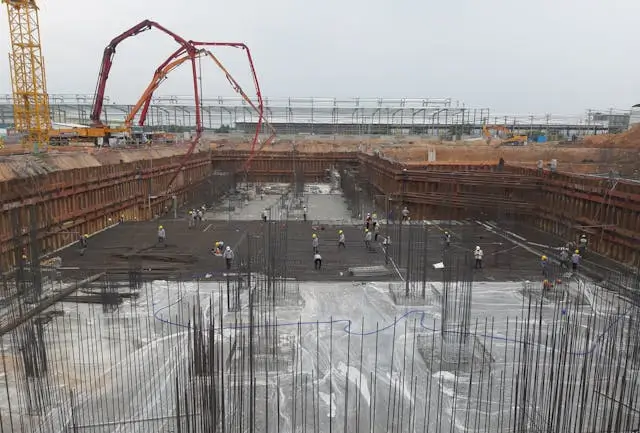
Why Weather Matters in Civil Construction
Weather plays a significant role in civil construction, often more than many people expect. Every task on a construction site, including excavation, concreting, paving, and lifting, depends heavily on environmental conditions.
Rain can weaken soil and flood excavations, extreme heat can affect concrete performance and worker safety, and strong winds can shut down crane operations. When conditions change, construction productivity changes as well, which often slows progress or forces crews to stop work altogether.
Because weather is unpredictable, it remains one of the biggest external risks in civil construction projects. Unlike material shortages or labour issues, weather cannot be fixed or negotiated. A sudden storm can delay schedules, increase costs, and create safety hazards in a very short time.
There are many real world examples. Road projects are frequently delayed during extended rainy seasons, while bridge construction may require design adjustments to handle stronger winds or flooding. Even large infrastructure projects featured on the GSS Group website show how weather conditions can influence timelines and construction methods.
Success in civil construction depends not only on technical skill and planning, but also on understanding the surrounding environment and adapting to it effectively.
Types of Weather Conditions That Affect Civil Construction
Most civil construction work takes place outdoors, which makes it highly sensitive to weather conditions. Rain and heavy precipitation can make ground conditions muddy and unsafe, delay excavation and foundation work, and prevent concrete pouring until conditions improve.
Cold weather and snow can freeze the ground, slow earthmoving operations, and introduce safety risks such as hypothermia or slips on ice.
High temperatures and heatwaves can reduce worker productivity, increase the risk of heat related illness, and affect material behaviour, particularly during concrete curing.
Wind and storms can halt crane operations and make working at heights unsafe. Unpredictable weather events often disrupt schedules and increase overall project risk. Understanding these conditions helps civil construction teams plan effectively, protect workers, and keep projects moving forward.
Weather Impacts Across Civil Construction Phases
Weather affects nearly every phase of a civil construction project. During planning and site preparation, historical weather data helps teams determine the best timing for earthworks and identify periods when delays are more likely.
Heavy rain can turn soil into mud and slow foundation work, while high winds may delay crane lifts and exterior installations. Once structural work begins, extreme heat or cold can affect how materials perform. Concrete, for example, may not cure properly in low temperatures, which can reduce its strength and durability.
Weather can also delay finishing tasks such as paving or roofing when conditions are unsafe or unsuitable. Across all phases, unpredictable weather increases the risk of schedule delays, additional costs, and changes to execution plans.
For this reason, civil construction teams build flexibility into their timelines and treat weather impacts as a normal part of the project lifecycle rather than an exception.
Safety Risks Caused by Adverse Weather
Weather conditions directly affect safety on civil construction sites. Rain, heat, storms, and cold each introduce specific hazards that increase the likelihood of accidents. Wet surfaces caused by rain or melting snow can lead to slips and falls, which are among the most common site injuries.
In extreme heat, workers face risks such as heat exhaustion, dehydration, and heatstroke. Regular breaks, access to shade, and proper hydration become essential in these conditions. Cold weather presents the opposite danger, including hypothermia and icy surfaces that increase the risk of falls.
Strong storms and high winds can create unsafe conditions that require immediate work stoppages and emergency responses. Because severe weather can develop quickly, civil construction teams must have clear emergency procedures, including shelter plans and reliable communication systems.
Equally important is proactive safety education that focuses on weather specific risks. Training workers to recognise early signs of heat stress, cold exposure, or storm related hazards helps prevent incidents before they escalate into serious injuries.
Cost and Schedule Implications
Weather has a direct impact on project costs and schedules in civil construction. When adverse conditions occur, timelines often extend because crews cannot work safely, pour concrete, or operate equipment. Additional days on site lead to higher labour costs, extended equipment rentals, and increased overhead.
Delays caused by storms, heatwaves, or freezing conditions are common and can significantly inflate project budgets. To manage this risk, many construction contracts include force majeure clauses that allow for time extensions when extreme weather or other uncontrollable events occur without penalising the contractor.
In addition to contractual planning, owners and builders often consider insurance options to protect against severe weather impacts. Coverage varies widely and may only apply to specific conditions or losses, so careful review is essential.
Being proactive about weather risk through detailed planning, clear contracts, and appropriate insurance can reduce financial strain and limit schedule disruption.
Plan for the Unpredictable
Weather will always be part of civil construction. It cannot be controlled, but it can be anticipated and managed. Projects that plan for weather risks tend to operate more safely, control costs more effectively, and deliver stronger outcomes.
In civil construction, successful planning means respecting environmental conditions and building with them in mind rather than reacting to them after problems arise.