Civil engineering projects are growing in scale and complexity, placing greater demands on accuracy and efficiency. Modern construction requires precise coordination of equipment, materials, and processes to meet high standards and tight tolerances.
Precision motion control has emerged as a key technology in addressing these demands, enabling engineers to manage movement and positioning with remarkable accuracy. Its adoption is influencing how projects are planned, executed, and monitored, offering opportunities to enhance quality and reliability across construction efforts.
Read on to explore how precision motion control is shaping civil engineering and why its role continues to expand in the industry.
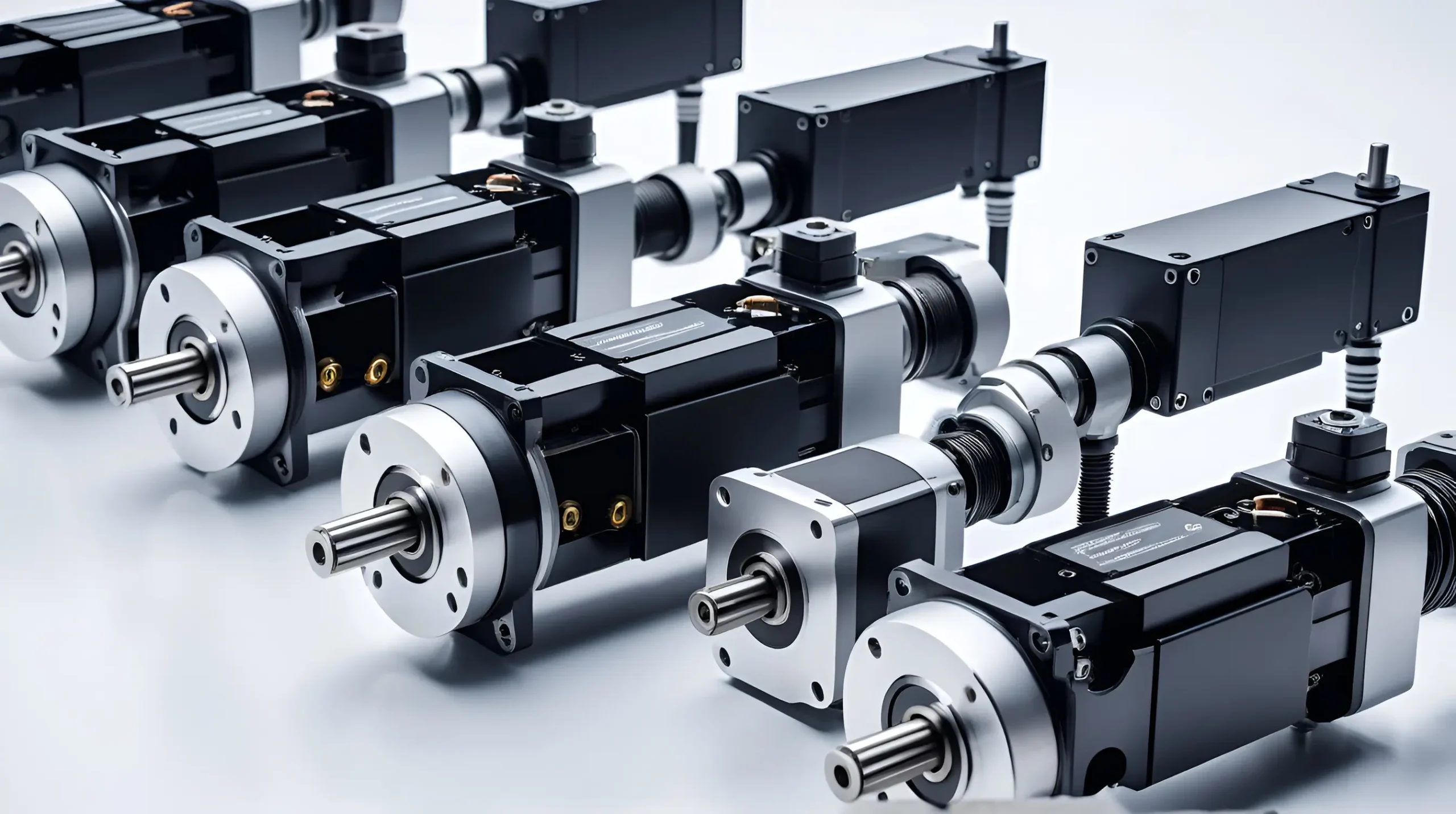
Introduction to Precision Motion Control in Civil Engineering
Precision motion control refers to a range of motion control technologies that regulate the movement of machinery or equipment with exacting accuracy. These systems combine sensors, actuators, controllers, and software to achieve precise positioning and controlled motion. Such integration allows civil engineering projects to meet strict tolerances, improving the overall quality and reliability of construction outcomes.
Furthermore, automation enables machinery to perform tasks with minimal human intervention, improving consistency across operations. Accurate sensor networks and GPS-based systems provide centimeter-level precision, which is critical for large-scale infrastructure. Working with a manufacturer specializing in high-precision motion systems and positioning equipment ensures that installations align with exacting standards for civil engineering projects.
One example of such equipment is the XY positioning stage, which provides controlled movement along two axes with exceptional accuracy. Incorporating these components strengthens operational reliability and enhances the precision of complex construction processes.
In addition, modern civil engineering increasingly relies on digital coordination to guide construction workflows. Motion control can follow data from Building Information Modeling (BIM) to maintain alignment with project specifications throughout each stage.
Applications of Precision Motion Control in Construction and Infrastructure
Precision motion control plays a vital role in modern construction, allowing machinery to operate with consistent accuracy and efficiency. Its use reduces reliance on manual labor and minimizes errors that can affect project quality.
To illustrate its impact, the following are its significant applications in civil engineering projects:
- Automated excavation and grading: Equipment like bulldozers and graders use motion control systems and motion controllers to maintain precise slopes and depths. This reduces errors in earthmoving operations and ensures uniformity across large construction sites. Advanced sensors guide machines in real time, helping projects meet strict engineering specifications with minimal adjustments.
- Robotics for assembly: Robotic arms and cranes rely on servo drives and programmable logic controllers to position structural components accurately. These systems reduce human risk during heavy lifting and complex assembly tasks. The controlled motion allows components to align perfectly, minimizing rework and accelerating construction timelines.
- Paving and concrete placement: Automated machines use AC motors and linear drives to distribute materials evenly and create smooth, consistent surfaces. Precision movement ensures that concrete layers are uniform, which is essential for structural integrity and long-term durability. These systems also reduce material waste, improving overall project efficiency.
Implementing these precision motion control applications allows civil engineering projects to achieve tighter tolerances, improve operational safety, and optimize resource usage.
Benefits of Implementing Precision Motion Control
Integrating precision motion control into civil engineering projects offers measurable advantages that improve performance and outcomes. These systems allow machinery to operate with consistent accuracy, reduce errors, and optimize overall workflow.
The following are the benefits that make these technologies essential in modern construction:
- Improved accuracy: Precision motion control ensures tasks are executed within strict tolerances, reducing deviations that can compromise quality. This leads to structures that closely match design specifications and lowers the need for costly adjustments or rework.
- Enhanced safety: Automated systems handle high-risk tasks, including lifting, drilling, or material placement, minimizing human exposure to dangerous operations. This decreases the likelihood of accidents and allows personnel to focus on supervision and quality control.
- Operational efficiency: Streamlined and controlled machine movements accelerate construction processes, reduce material waste, and maximize efficiency on site. Optimized workflows result in shorter project timelines, more predictable schedules, and better resource management.
These benefits collectively enhance project quality, safety, and efficiency, making precision motion control a critical tool for civil engineers seeking reliable and cost-effective results.
Future Trends and Innovations in Civil Engineering Motion Control
Emerging technologies are set to transform how civil engineering projects are executed, with precision motion control at the forefront. Autonomous machinery is becoming increasingly capable of performing tasks independently, adjusting movements in real time to respond to site conditions. This development reduces reliance on manual intervention while maintaining high levels of accuracy and efficiency.
In addition, the integration of artificial intelligence (AI) and the Internet of Things (IoT) is enhancing system intelligence across construction sites. These networks can continuously monitor equipment performance, detect anomalies, and optimize motion parameters for improved outcomes. Linking machinery with smart sensors allows teams to identify issues early and adjust workflows before errors escalate.
Adaptive control systems represent another significant advancement, allowing machines to modify their movements dynamically based on environmental changes or material inconsistencies. This capability improves consistency in tasks like excavation, assembly, and material placement, even in unpredictable conditions. As a result, projects can maintain quality while reducing waste and minimizing delays.
Final Thoughts
Precision motion control is becoming a cornerstone of modern civil engineering. From automated machinery to advanced monitoring systems, its applications enhance accuracy, efficiency, and safety across construction and infrastructure projects. While implementation presents challenges, the benefits outweigh the hurdles, particularly as technology evolves. Engineers who embrace these systems position themselves to deliver projects that meet higher standards and adapt to the demands of future infrastructure development